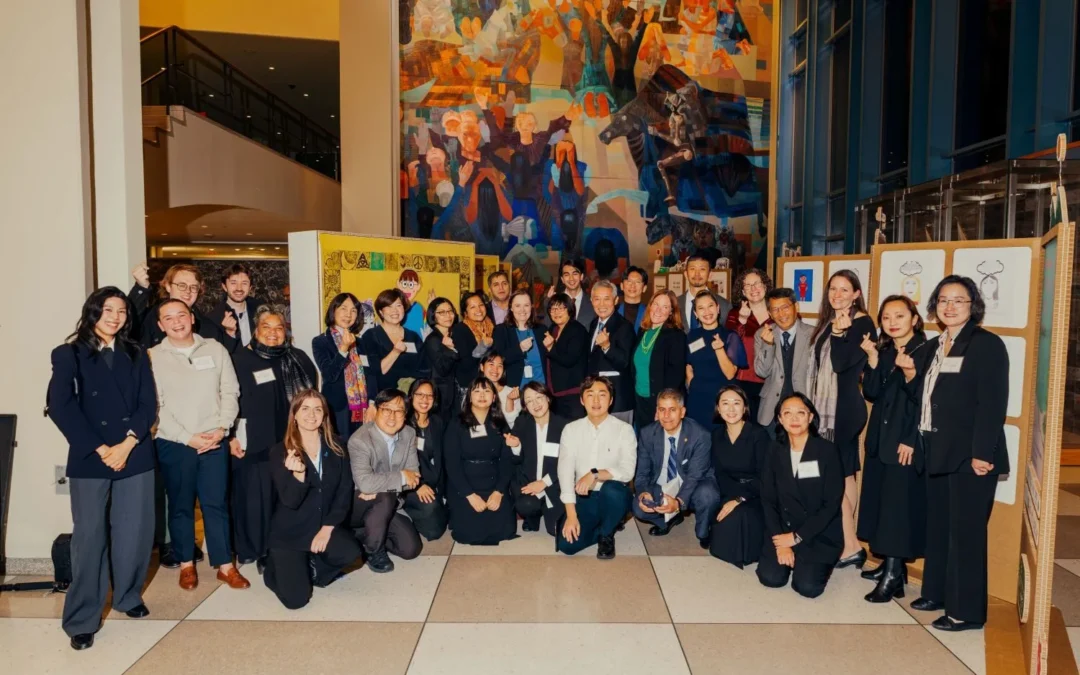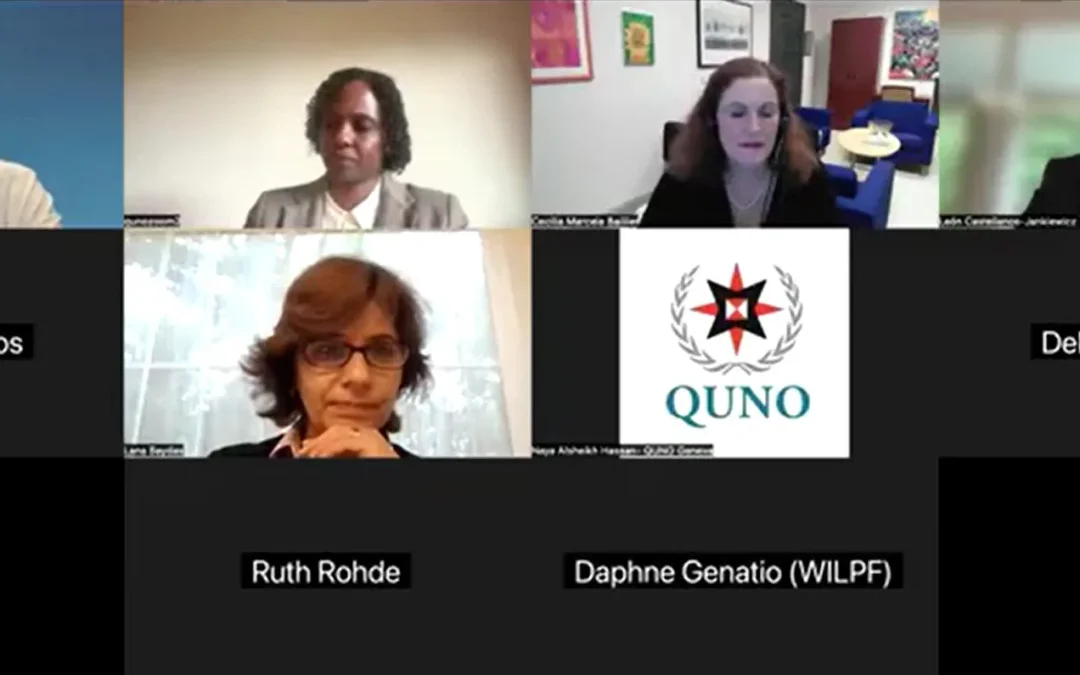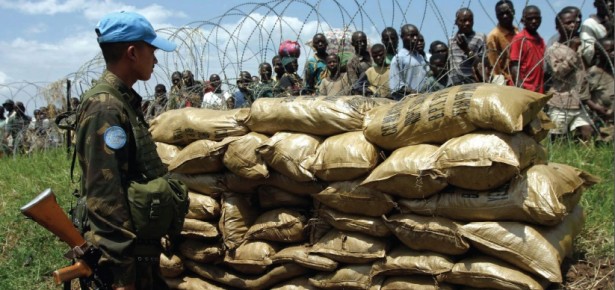
QUNO hosted an informal discussion at Quaker House in New York for Dr. Severine Autesserre from Barnard College to share the findings of her new book Peaceland: Conflict Resolution and the Everyday Politics of International Intervention. Peaceland offers a fascinating new explanation for why international peace interventions often do not reach their full potential. Through field-based research in conflict zones around the world, Dr. Autesserre demonstrates how normal everyday habits, practices, and personal narratives can influence the way in which peacebuilding is done on the ground.
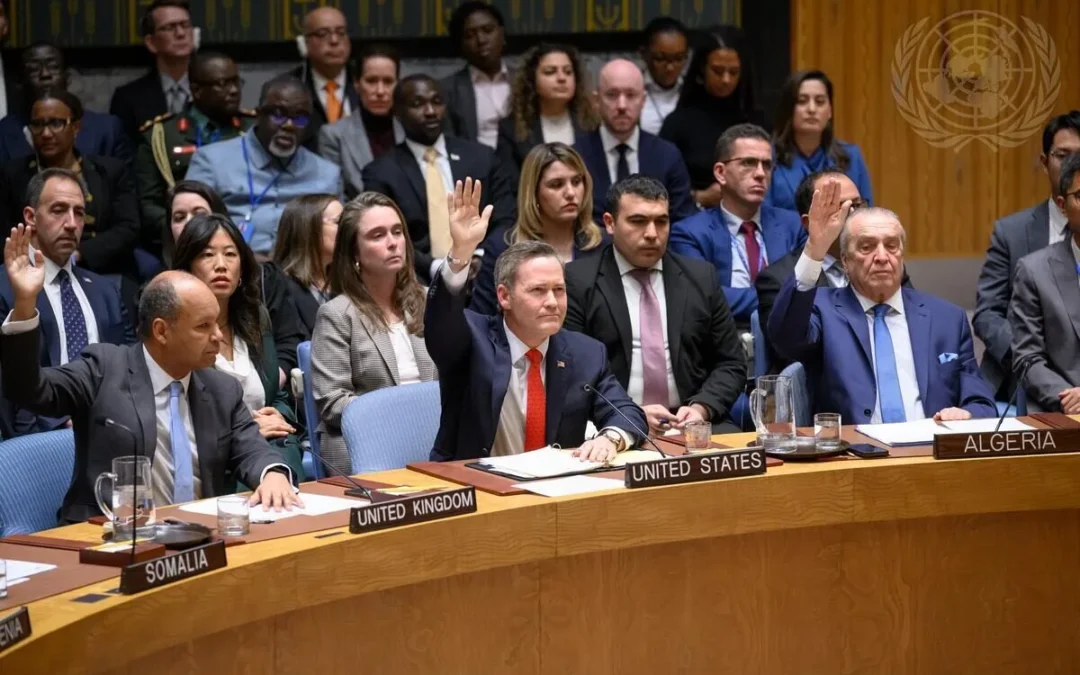
At a critical moment, Security Council Resolution on Gaza falls short
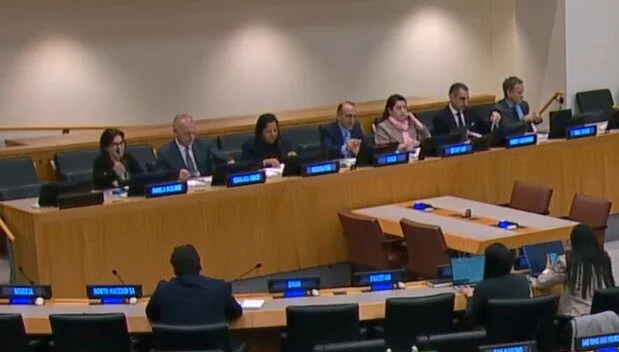
On Monday, November 17, the UN Security Council adopted resolution 2803 (2025) authorizing the creation of an “International Stabilization Force” and a “Board of Peace” aimed at addressing the critical security, humanitarian, and reconstruction needs in Gaza. The resolution affirms the importance of enabling humanitarian aid, maintaining a ceasefire, and the goal of working towards “a horizon for peaceful and prosperous coexistence.” However, QUNO notes with concern the resolution’s disregard for the consent or agency of Palestinians within the mechanisms proposed by the resolution. Furthermore, the resolution fails to establish clear mechanisms for transparency, accountability, and effective humanitarian aid and reconstruction. Both observers and UN member states have pointed out that the resolution’s unilateral approach could sideline the United Nations and risk repeating colonial actions and ideologies that lie at the heart of the conflict. At its core, the Security Council resolution gives UN backing to the “Comprehensive Peace Plan,” also known as the “20-point plan,” proposed by US President Donald Trump earlier this year. The United States proposed the resolution and lobbied strenuously to push it through the Security Council on an expedited timeline. The resolution gives a green light to main tenets of the President’s plan, principally, […]