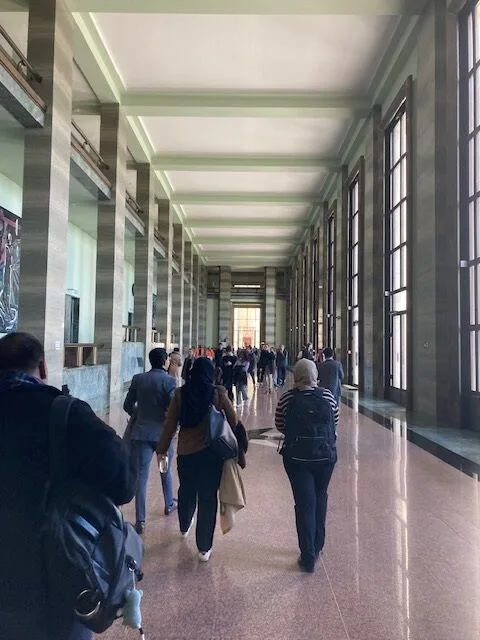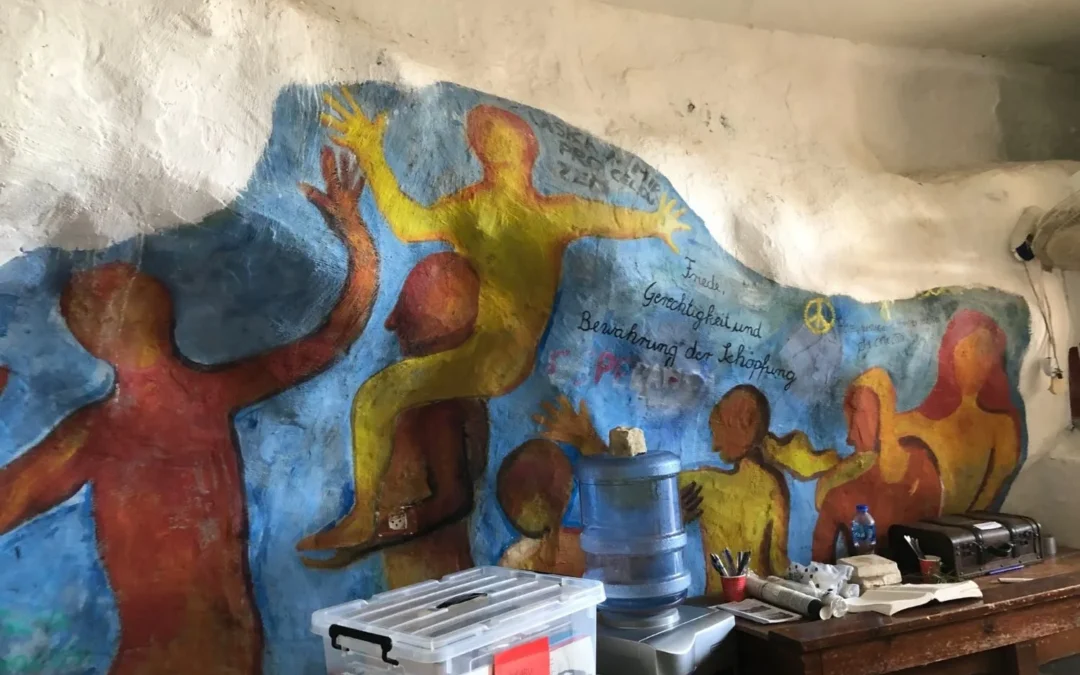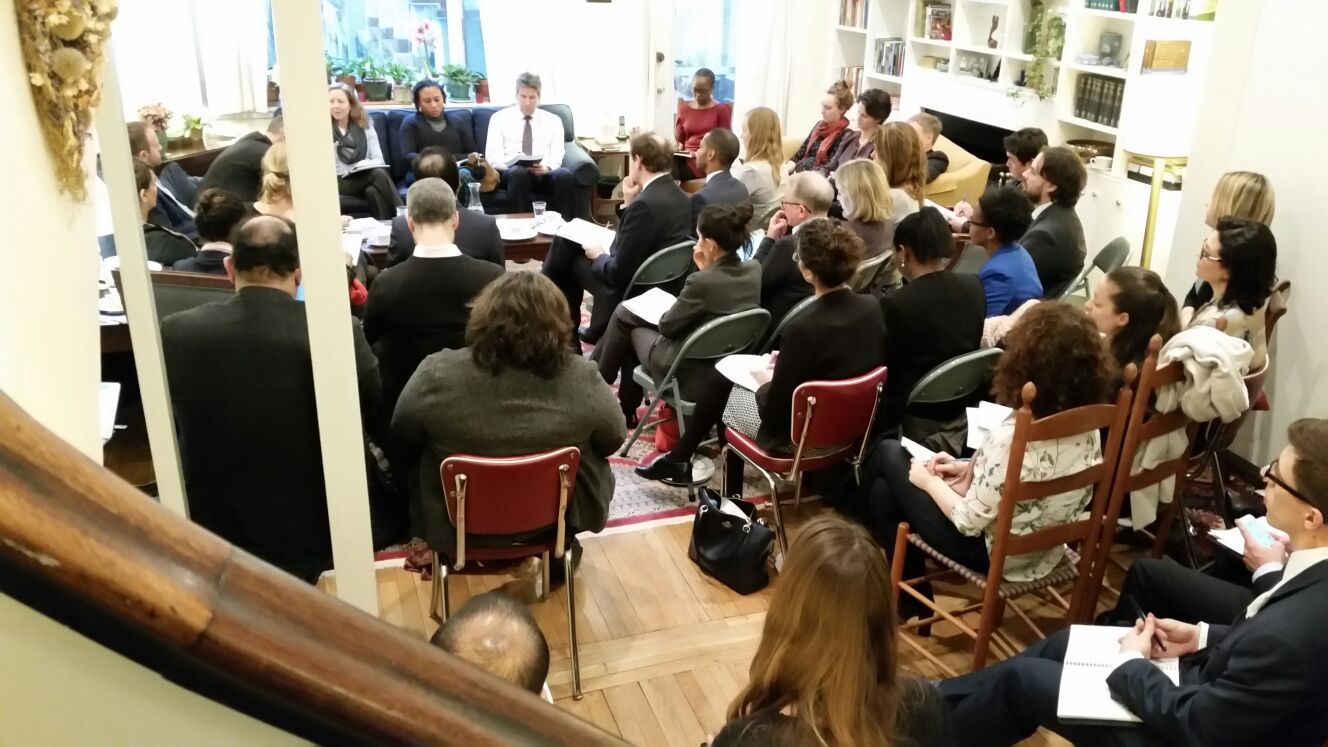
On the occasion of the High Level Debate, “Building Sustainable Peace for All”, the Civil Society-UN Prevention Platform held an informal, off the record lunch discussion on “Sustaining Peace and the 2030 Agenda: Opportunities for Prevention” to further explore avenues for strengthening prevention at the UN through leveraging synergies between Sustaining Peace and the 2030 Agenda. The meeting sought to identify what opportunities exist for promoting civil society-UN cooperation, and how to ensure that such efforts can have a direct impact on the populations in focus. The conversation brought together CSO perspectives and experiences on the ground, UN actors and Member States.
Myanmar “sham elections”: QUNO hosts Quaker House briefing
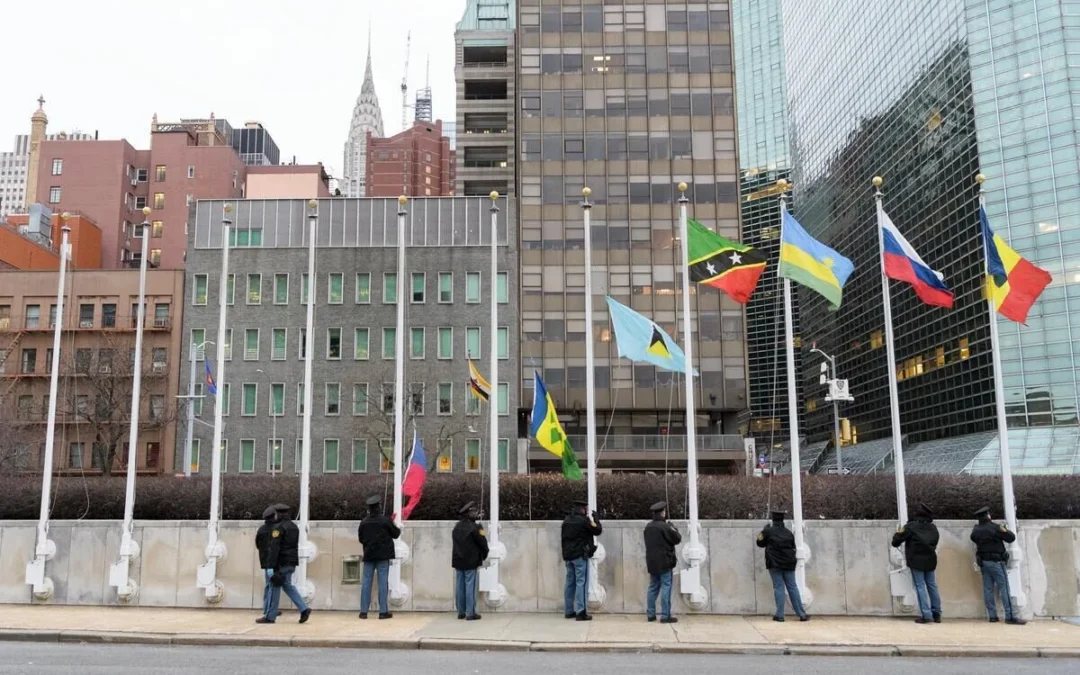
On 2 December, the Quaker UN Office hosted diplomats at Quaker House for a private briefing in advance of the elections in Myanmar that began on 28 December 2025. QUNO Director, Sarah Clarke, opened the meeting, noting that “the world will be watching carefully to see how the international community responds to the vote.” Sean Dunne, an expert who has supported election observation with the UN and the Carter Center, including in Myanmar, served as an outside briefer. In his remarks, Sean emphasized that the Myanmar general elections, which are being conducted by the military regime that overthrew the democratically elected government following elections in 2020, “fail to meet any recognized international benchmark for credibility or genuineness.” Sean concurred with UN experts, numerous Human Rights organizations, and media outlets describing the elections as a “charade” or “sham election” intended to “solicit recognition from foreign governments and legitimize the continuation of military rule, rather than reflect the genuine will of the Myanmar people.” In Myanmar, voting kicked off on 28 December 2025, with polls being held in roughly a third of Myanmar’s townships. Despite two more voting phases scheduled on 11 and 25 January 2026, several million people, 56 townships, and numerous political parties, including the winner of Myanmar’s last credible election, the National League for Democracy, have been excluded by the military or have chosen not to participate. As Sean explained, these exclusionary factors amount to “an incredibly sophisticated form of election engineering.” The implementation of biometric voting and surveillance technology, new laws criminalizing criticism of the election, and manipulation of representative quotas in Myanmar’s […]