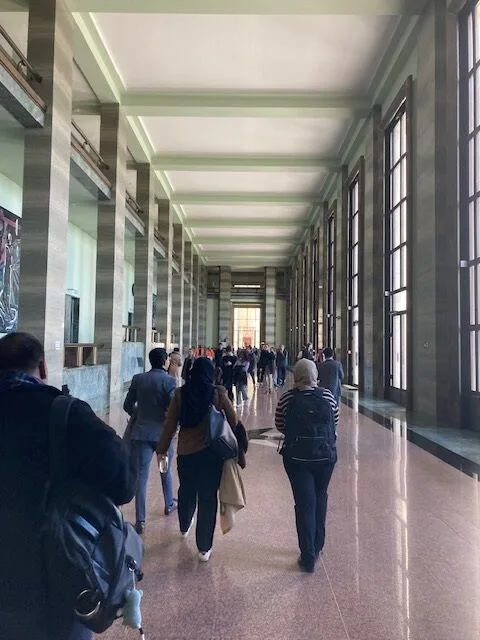
In April, AFSC and QUNO collaborated to bring three Chinese scholars and UN experts to the UN. During their short but productive trip, they presented their research on UN peace operations and shared their perspectives on three recent major UN reviews to a variety of Member States, UN officials, think tanks and other civil society actors in New York. China is becoming increasingly involved in supporting UN peace operations and peacebuilding in conflict-affected and post-conflict states, especially in Africa. Discussion on the three UN reviews remains at the forefront of the UN’s agenda and QUNO believes it is crucial to bring a diversity of voices and perspectives to this process. By bringing these scholars to the UN, QUNO and AFSC hope to have contributed to this effort and provided the space for frank and open dialogue about China’s involvement in peace operations.
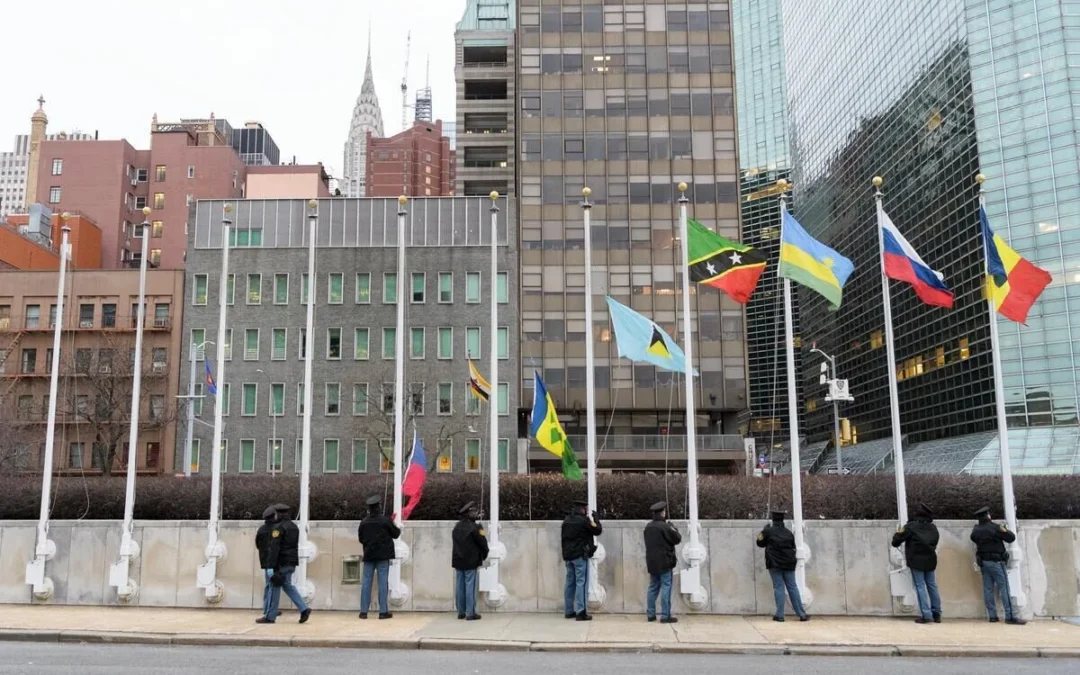
Myanmar “sham electionsโ: QUNO hostsย Quaker Houseย briefing
On 2 December, the Quaker UN Officeย hostedย diplomatsย at Quaker House forย a private briefingย in advance of theย elections in Myanmarย that began onย 28 December 2025.ย QUNO Director, Sarah Clarke,ย openedย the meeting, noting thatย โthe world will beโฏwatchingโฏcarefullyย to see howย the international communityย respondsย toโฏthe vote.โย Seanย Dunne,ย an expert who hasย supported election observationย with the UN and the Carter Center,ย including in Myanmar, served as an outside briefer.ย In his remarks, Seanย emphasized that the Myanmarย general elections,ย which areย being conducted by the military regime that overthrew the democratically elected governmentย followingย electionsย in 2020,ย โfail to meet any recognized international benchmark for credibility or genuineness.โย Seanย concurredย withย UN experts,ย numerousย Human Rightsย organizations, and media outlets describing theย elections asย a โcharadeโ or โshamย electionโ intended to โsolicit recognition from foreign governments and legitimize the continuation of military rule, rather than reflect the genuine will of the Myanmar people.โย In Myanmar,ย voting kicked off onย 28 December 2025,ย withย polls beingย held inย roughly aย third of Myanmarโsย townships. Despite two more voting phases scheduled on 11 and 25 January 2026, several million people, 56 townships, andย numerousย political parties,ย including the winner of Myanmarโs lastย credible election,ย the National League for Democracy, have been excluded by the military orย haveย chosenย not toย participate.ย ย As Sean explained, theseย exclusionary factorsย amount to โan incredibly sophisticated form of election engineering.โย Theย implementation of biometric voting and surveillance technology, new laws criminalizing criticism of the election, andย manipulation of representative quotas in Myanmarโs […]

![Chinese scholars 2016[1] Chinese scholars 2016[1]](https://quno.org/wp-content/uploads/2016/05/Chinese-scholars-20161_0-scaled.jpg)